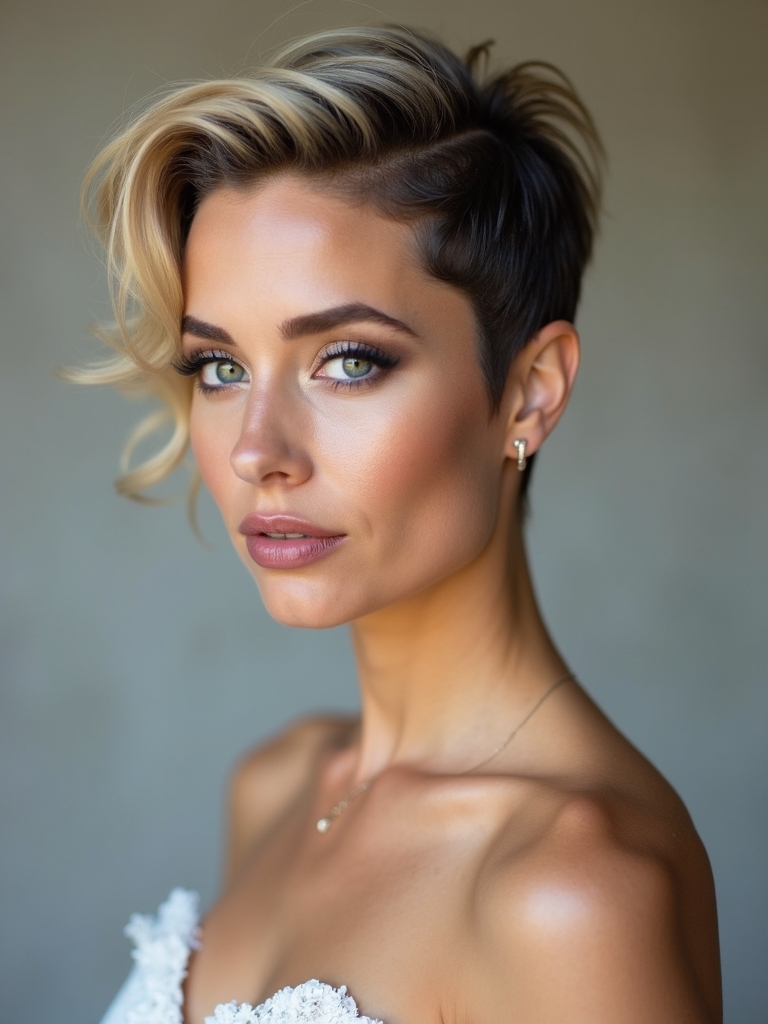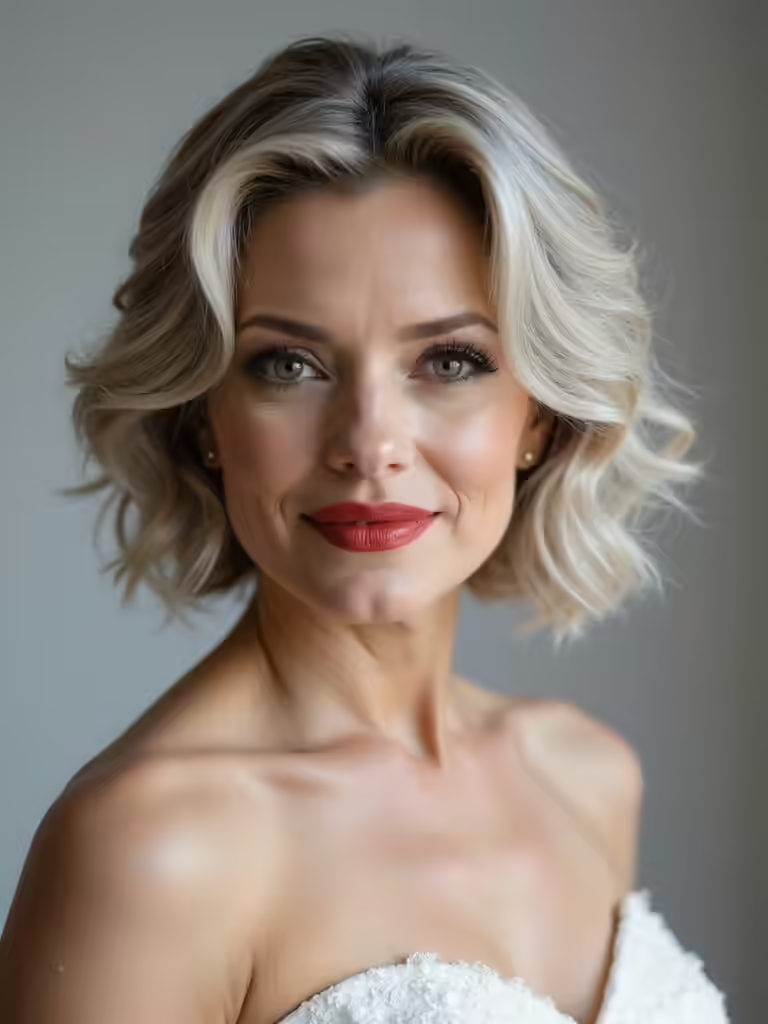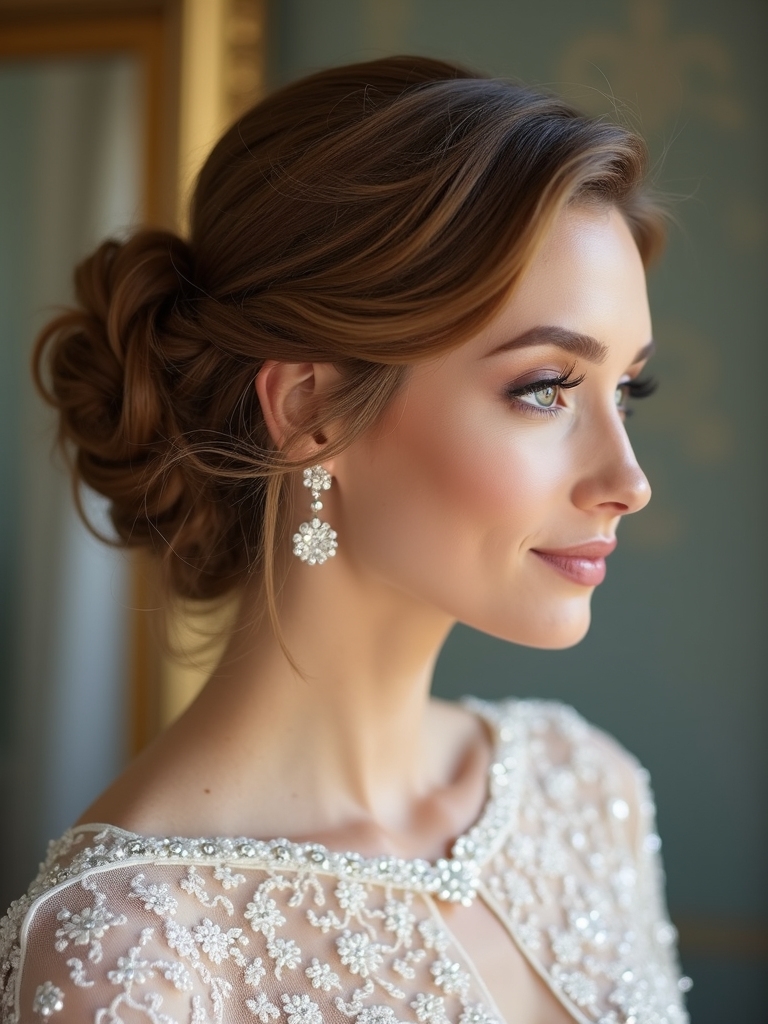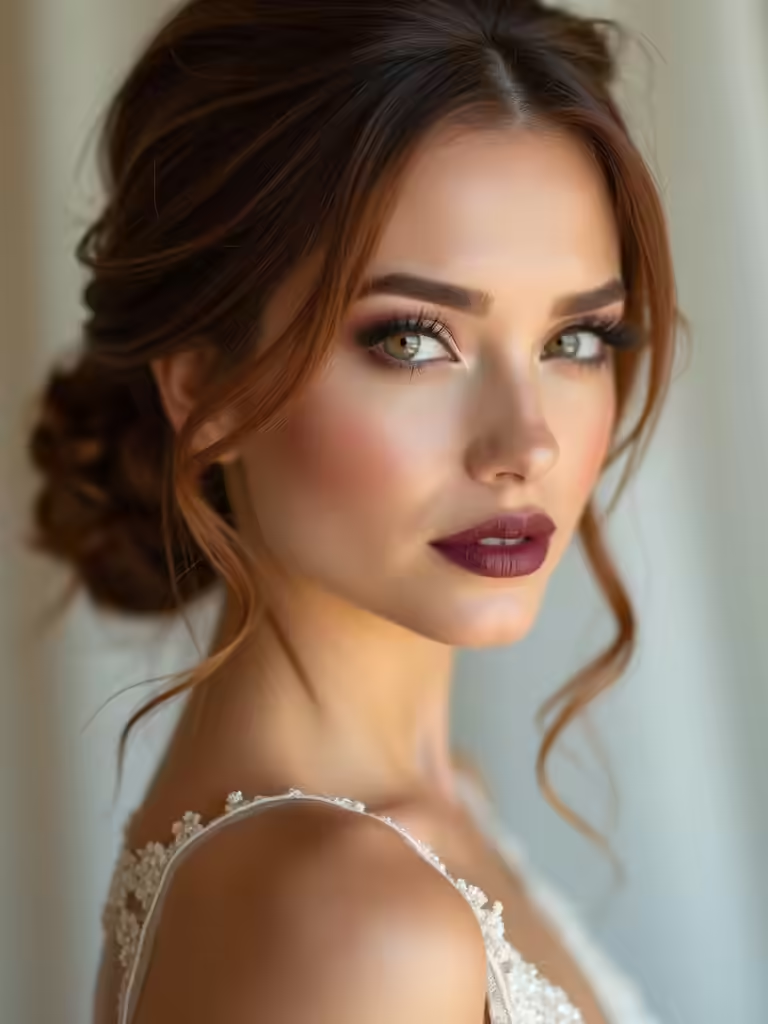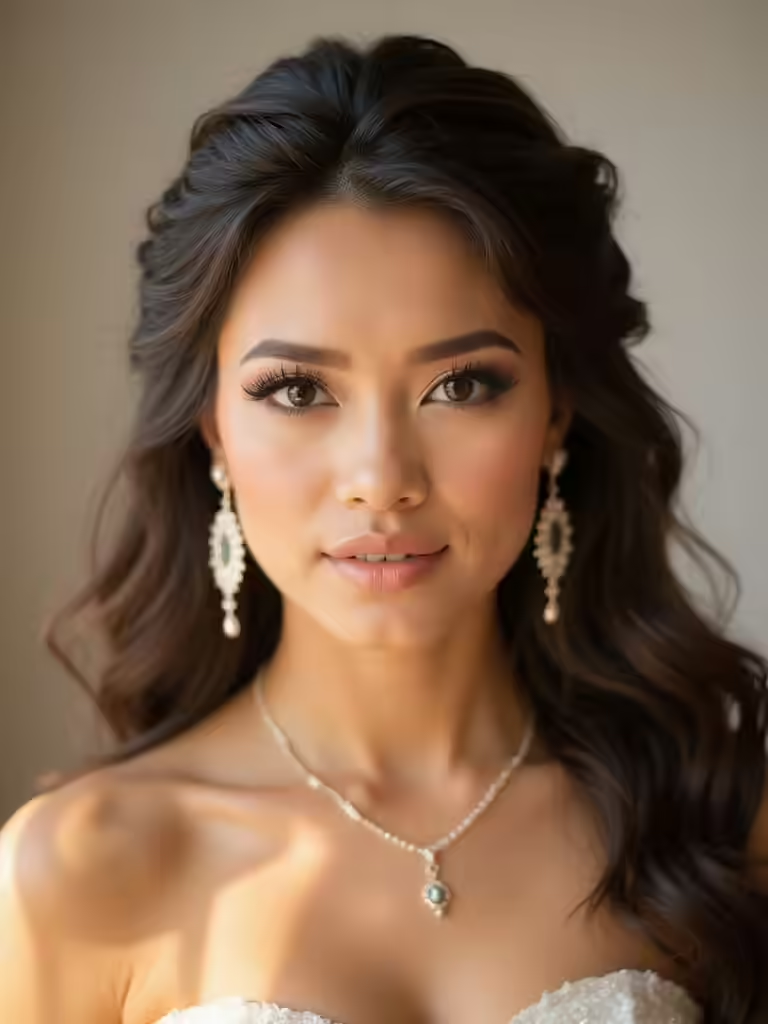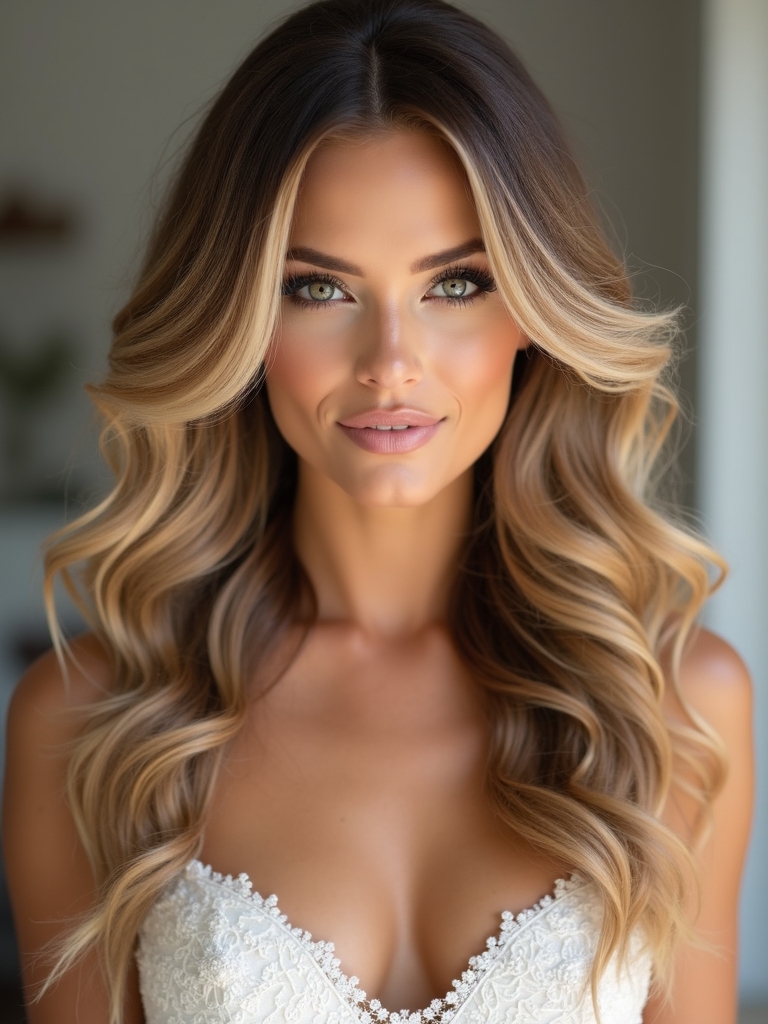

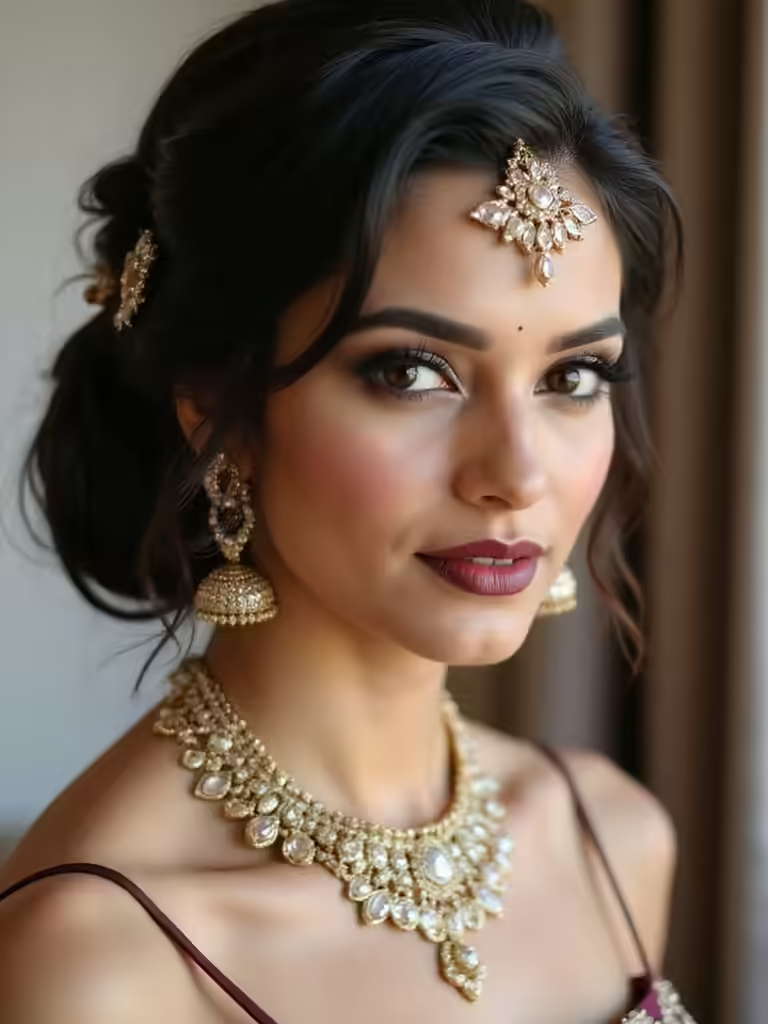
I love how a front hairline can anchor an Indian bridal look—center parts and maang tikkas give that sacred balance, while soft wisps and sculpted swoops frame your face and catch the light.
I’ll suggest baby hairs shaped with a toothbrush for warmth, curtain bangs that sweep back for vows, and secure low buns that hold heavy jewelry. I’ll also show trial timing, touch-up tricks, and tiny kits to keep your front flawless all day if you want more.
Why Front Hairstyles Matter in Indian Weddings
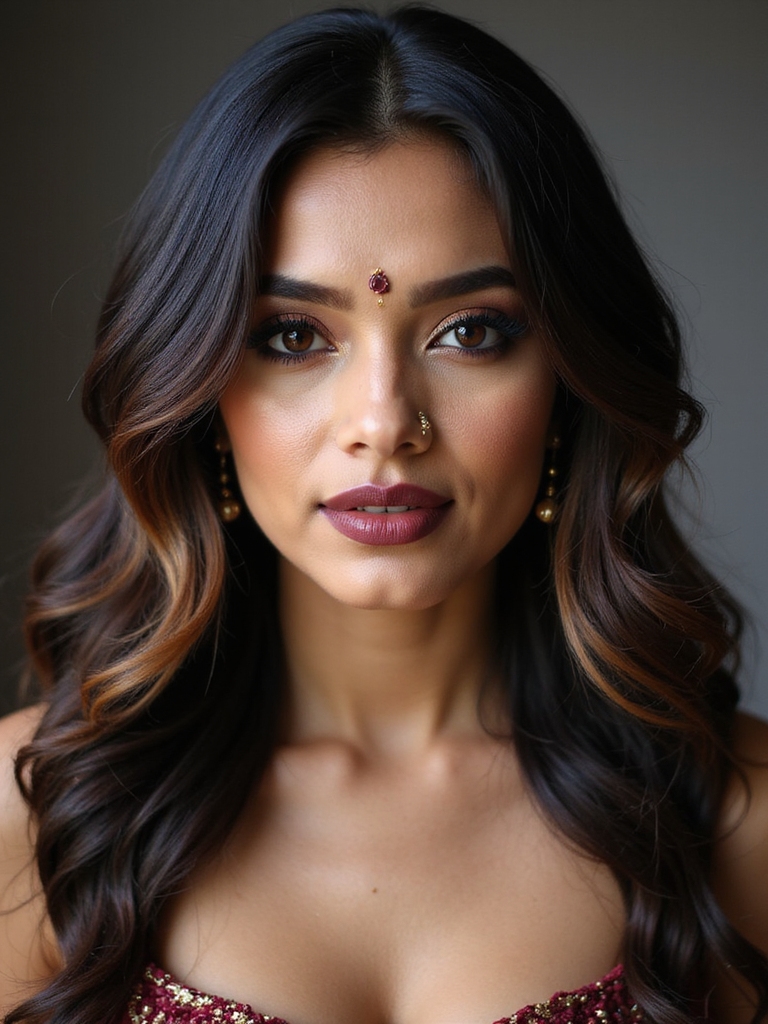
Because the first glance often decides the story you’ll tell all night, I make the front hairline my canvas at every Indian wedding I style for.
I craft a welcoming frame—soft tendrils, sculpted swoops—that catches light, complements jewelry, and steadies a bride’s confidence.
Those few inches shape photographs, gestures, vows; they anchor tradition, modernity, and the face that tells the tale.
I also draw inspiration from timeless wedding hairstyles Indian brides adore to blend classic motifs with contemporary finishes.
Cultural Significance of Center Parts and Maang Tikka Placement
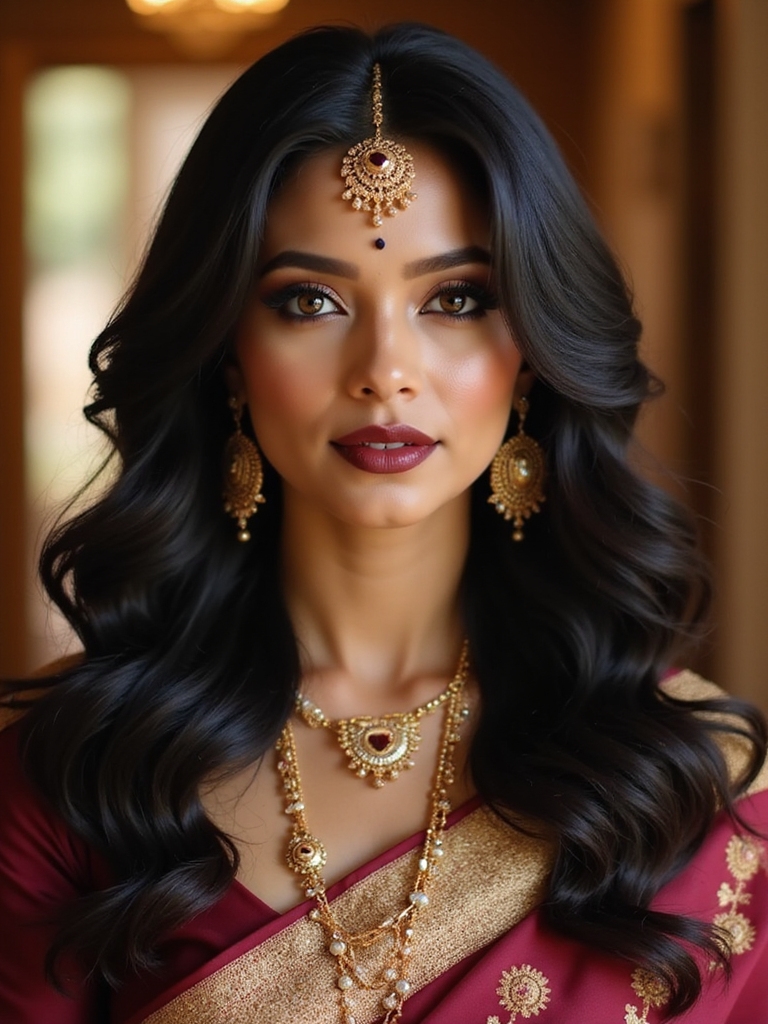
Just as the front hairline sets the storytelling frame, the center part and the maang tikka take the lead in that story—right down the middle, literally and symbolically.
I feel their hush and herald, a jeweled punctuation on a bride’s brow.
- Balance
- Blessing
- Lineage
- Focus
Timeless bun styles have long been paired with center parts and maang tikkas to create a harmonious bridal look that blends tradition with modern flair.
Matching Front Hairstyles to Face Shapes
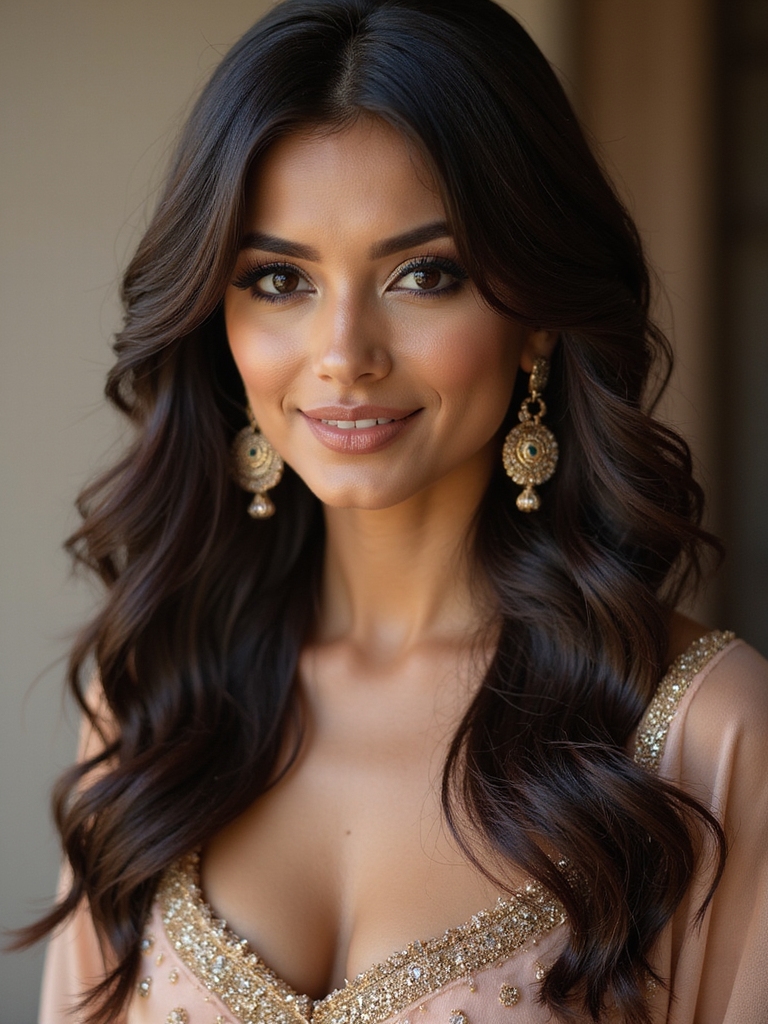
I’ll walk you through how the front of your hairstyle can flatter your face shape, starting with gentle tricks for round faces to add vertical lines and slimming balance.
For heart-shaped faces I’ll show softer, face-framing fronts that ease a pointed chin and cradle your features like silk.
Let’s match your front style to your bone structure so your look feels effortless and true.
Bangs can be styled to softly frame features and enhance facial balance with front-focused techniques, creating a cohesive bridal look.
Round Face Balance
When I size up your round face, I look for ways to add vertical lines and gentle angles that make the features sing—softly elongating the forehead, slimming the cheeks, and letting the jaw feel more defined.
I choose pieces that balance, not hide:
- Side-swept bangs for diagonal motion.
- Deep parts to lengthen.
- Face-framing layers for soft angles.
- Height at crown for lift and grace.
Low bun styles offer timeless elegance and versatility, especially for weddings, with classic low buns providing a polished finish that complements balanced front hairstyles.
Heart Face Softening
Because a heart-shaped face narrows at the chin and blossoms across the brow, I aim for front styles that soften the point and invite balance—think gentle sweeps, rounded fringes, and wisps that skim the cheekbones.
I choose airy layers and side-swept bangs to cradle the temples, casting soft shadows that mellow angles, while luminous tendrils frame the jaw, marrying tradition with delicate, modern glam.
For weddings, I also consider flattering hairstyles that sculpt and balance facial proportions.
Soft Baby Hairs: Tradition With a Modern Touch
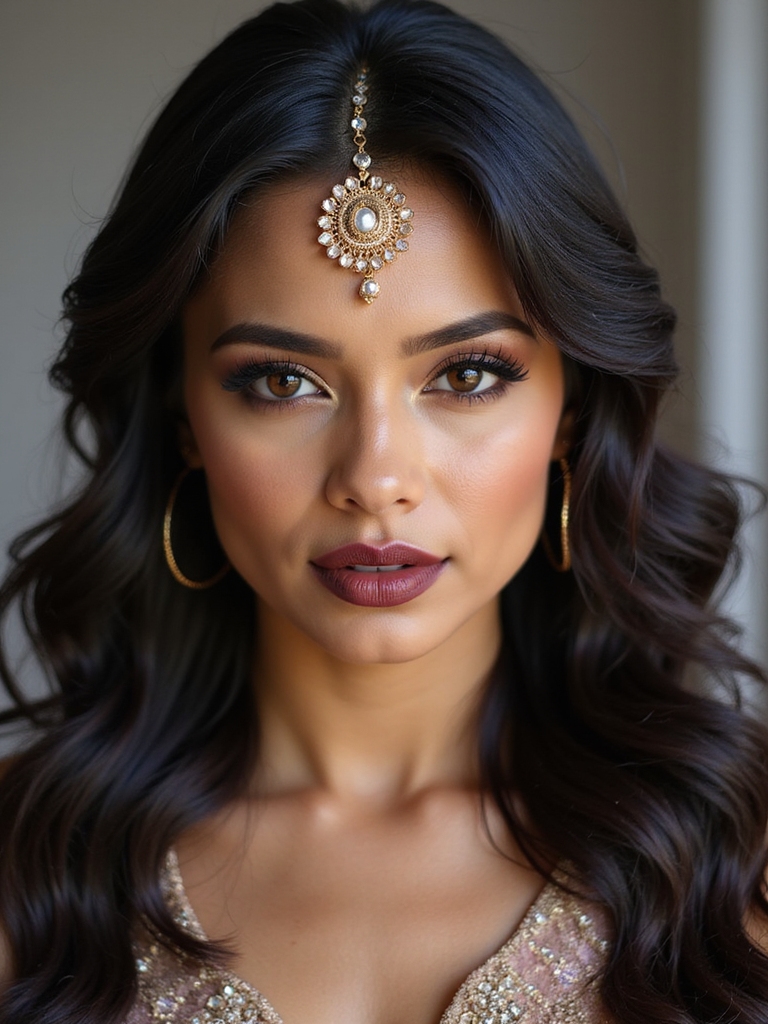
Often I tuck a few soft baby hairs along the forehead to give a bridal look that feels both rooted and alive.
I whisper shape with a toothbrush and gel, letting faint wisps halo the face.
I recommend:
- Soft swoops for warmth
- Petite curls for movement
- Gloss for glow
- Gentle hold for comfort
Those small strokes marry tradition and modern shimmer.
Indian bridal styles often celebrate long hair with ornate arrangements and timeless adornments like flowers and jewels, reflecting Timeless Indian Hairstyles that blend tradition and glamour.
Curtain Bangs for Bridal Elegance
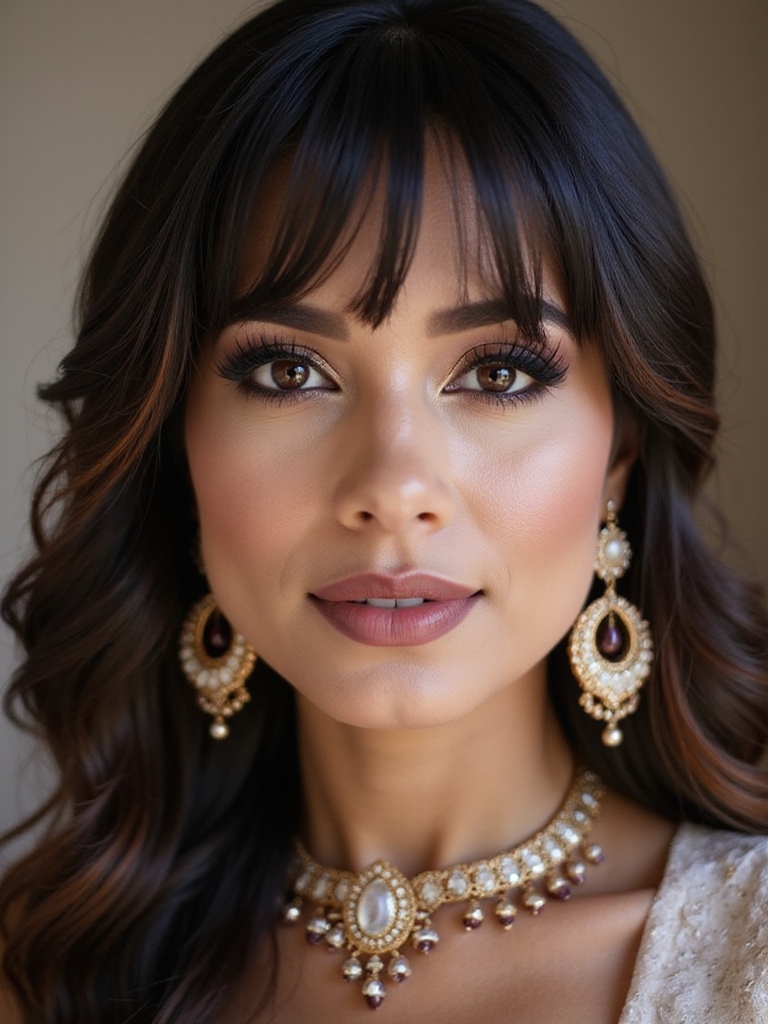
I frequently reach for curtain bangs when I want a bridal front that breathes—soft panels that part like a curtain to frame the eyes and cheekbones, catching light and movement as you turn.
They soften a forehead, skim a nath or tikka, and mingle with veils.
I’ll sweep them back for portraits, let them flutter during vows, a gentle, modern nod to tradition.
Indian weddings often inspire elegant straight hairstyles that blend classic motifs with contemporary polish.
Polished Finger Waves for Vintage Glamour
I love how a smooth, sculpted S-shape at the front can turn a bridal look into pure vintage cinema, glossy waves catching the light like polished shell.
I’ll show you how to form those curves with a comb and setting lotion, then tuck them into place so they stay flawless all night.
With a few discreetly hidden pins and a gentle mist, the style feels both timeless and utterly secure.
Smooth Sculpted S-Shape
Picture sleek S-shaped waves that catch the light like liquid silk—when I craft a polished finger-wave for an Indian wedding, I aim for that vintage glamour with a modern, secure finish that lasts through photos, ceremonies, and late-night dancing.
- Smooth ridge, glossy sheen
- Soft curve, temple-to-cheek sweep
- Controlled hold, touchable movement
- Floral accents nestle in the fold
Securing Pins Discreetly
When I tuck each pin into the S-curve, I think like a sculptor hiding the armature—every fastener should disappear while lending invisible strength. I coax metal beneath glossy ridges, angling it to catch hair, not light.
My fingers sing a steady rhythm, anchoring waves so they breathe, not bulge. The result is seamless vintage glamour that feels soft, secure, and utterly intentional.
Wispy Textures That Photograph Well
Often I reach for wispy textures first, because they give your front hair a soft, lived-in look that photographs beautifully from every angle.
I love how light strands catch light, frame the face, and suggest motion.
- Soft teasing for volume
- Feathered ends for movement
- Sea-salt mist for grip
- Gentle face-framing tendrils for glow
They photograph like quiet poetry.
Temple Adornments and Side Fringes
After playing with wispy textures that catch light and motion, I turn my attention to temple adornments and side fringes, where small details make a big statement.
I tuck tiny pearls and gilded pins near the temples, letting a soft fringe trace cheekbones. It frames the face, catches bindi glints, and whispers tradition with a modern, wearable edge.
Front Styles for Heavy Jewelry vs. Minimalist Looks
Because the front of your hairstyle has to hold its own against the weight of a heavy choker or a single delicate chain, I sketch the look with intent: bold center parts and fuller, smoothed crowns for ornate sets; feathered, soft fringes and loose tendrils for minimalist pieces.
- Structured parting
- Lifted crown
- Wispy fringe
- Falling tendril choreography
Hair Accessories That Enhance the Hairline
I always reach for accessories that flirt with the hairline, because they frame the face the way a picture frame honors a portrait: delicate matha pattis that trace the brow, jeweled pins that punctuate a swoop of hair, and silk flowers that tuck like poetry behind the temple.
I pick pieces that catch light, cradle the forehead, and whisper tradition without overwhelming the modern silhouette.
Styling for Different Hair Types and Lengths
While textures and lengths may argue with trends, I’ve learned to listen to each strand before I plan a look. I tailor front styles to curl, wave, straight or short—honoring roots and sparkle.
Steps I use:
- Assess texture, porosity, movement.
- Choose weightless products for fine hair.
- Embrace volume for limp strands.
- Define edges for thick, long manes.
Long-Lasting Techniques for Multi-Day Celebrations
Often I start multi-day wedding prep like a general plotting a gentle siege: I plan each morning’s revival and every evening’s touch-up so your front style stays fresh from mehndi to reception.
I anchor with discreet pins, set with mist, refresh with lightweight oils and powdered roots, and carry a tiny kit—bobby, serum, mini spray—so laughter, dance, and rituals can’t steal your hair’s calm.
Pre-Wedding Trials: What to Test and When
Usually I start trials about six to eight weeks out, because that gives me time to tweak cuts, color, and hold without last-minute panic; I’ll book a rehearsal for the front hairstyle, test the veil or dupatta placement, and run through hair accessories with the actual ornaments you’ll wear so nothing surprises us on the day.
- Texture under stress
- Accessory anchoring
- Veil/dupatta sit
- Photo-friendly hold
Makeup and Hairline Coordination for Cohesive Photos
After we’ve pinned down the veil, accessories, and how your hair behaves under pressure, I want to talk about how makeup and your hairline work together so every photo looks intentionally harmonious.
I blend foundation to match tiny wisps, powder stray sheen, and emphasize brows to frame the forehead.
Soft highlights on the hairline and warm contouring on temples create a polished, photo-ready silhouette.
Maintenance Tips to Keep Front Styles Fresh Throughout the Day
I’ll start the day with a small emergency kit I can tuck into my clutch: a travel spray of flexible hairspray, a few bobby pins, a mini comb, some clear elastic bands, and a few cotton swabs for quick cleanup.
- Smooth stray wisps with misted breath.
- Re-pin fallen twists gently.
- Refresh volume at roots.
- Tame frizz with cotton-swipe magic.
I’ve loved guiding you through how front hairstyles fuse Indian tradition with modern glam—did you know 68% of brides choose a front-style focal point like a center part or baby hair detail to frame photos? That little fact thrills me: it shows how much a hairline shapes memory.
So when you’re planning, trust the tiny, artful touches—the soft wisps, the maang tikka’s cradle—because they turn every portrait into a story you’ll want to live in.