
There is a myth worth retiring on the first page: that a bride with natural, textured hair has to relax, straighten, or hide it to look wedding-ready. The opposite is true. Across the African continent and its diaspora, African bridal hairstyles have long been among the most meaningful and celebrated expressions of culture, status, and belonging a bride can wear.
These styles are not a single trend. They span dozens of cultures, regions, and techniques, each carrying its own history of artistry, status, and belonging. Below are the looks, the meaning behind them, and the honest practical notes, from timing to cost, that help you wear your heritage proudly on your wedding day.
What to Know First
- Your natural texture is bridal as it is. Coils, kinks, and locs need no straightening to look like a wedding.
- Many of these styles, from Fulani braids to a sculpted gele, carry real cultural meaning, so wear them with knowledge, not as costume.
- Intricate braiding takes hours and skill. Book a specialist braider or natural-hair stylist early, and budget for the time.
- Protect your hair and edges in the run-up, and do a trial so the finished look photographs the way you imagine.
Traditional West African Bridal Looks
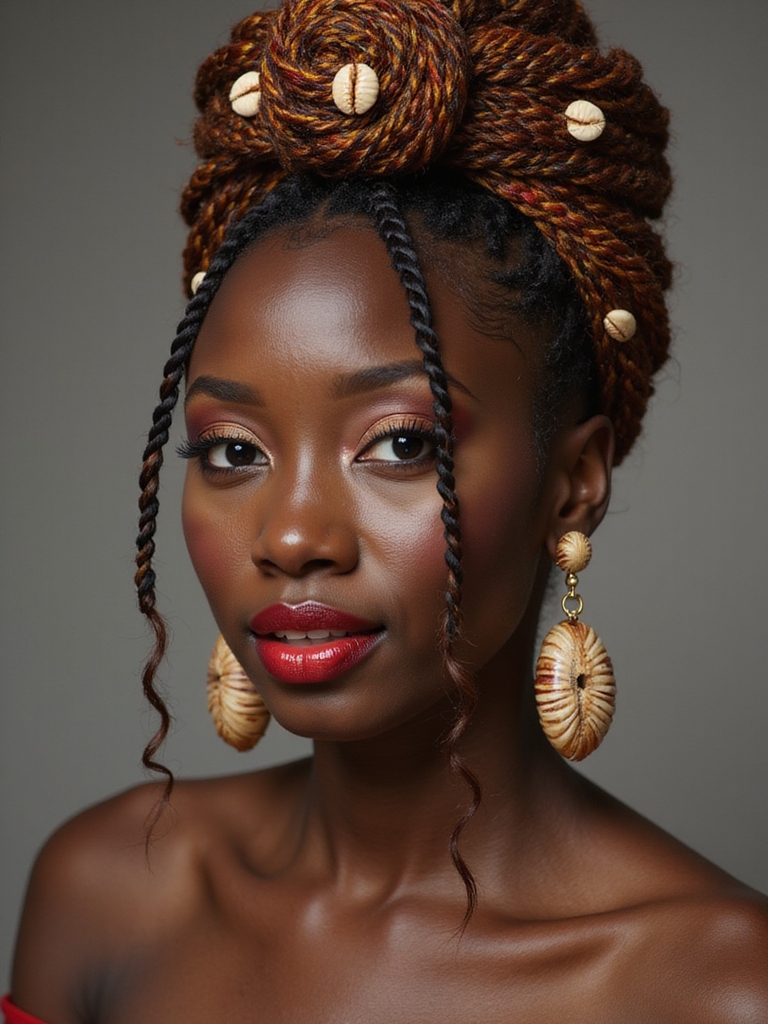
In many West African cultures, a bride’s hair is a centerpiece of the celebration, sculpted into elaborate braided and threaded shapes and finished with gold, beads, or coral. Among the Yoruba of Nigeria, hair threading, known as irun kiko, wraps sections in thread to create raised, architectural designs that have been worn for generations.
The look reads regal because it is meant to. Historically, intricate bridal hair signaled care, community, and a family’s pride, with relatives and skilled braiders spending hours on a single style. That sense of occasion is exactly what makes it so striking in modern photographs.
For a contemporary wedding, brides often pair a threaded or braided crown with coral beads or gold hairpins that echo traditional jewelry. The honest note is time, and it is the thing I remind every bride of: these designs are slow, detailed work, so they are planned well ahead with a braider who knows them.
East African Wedding Hair Inspiration
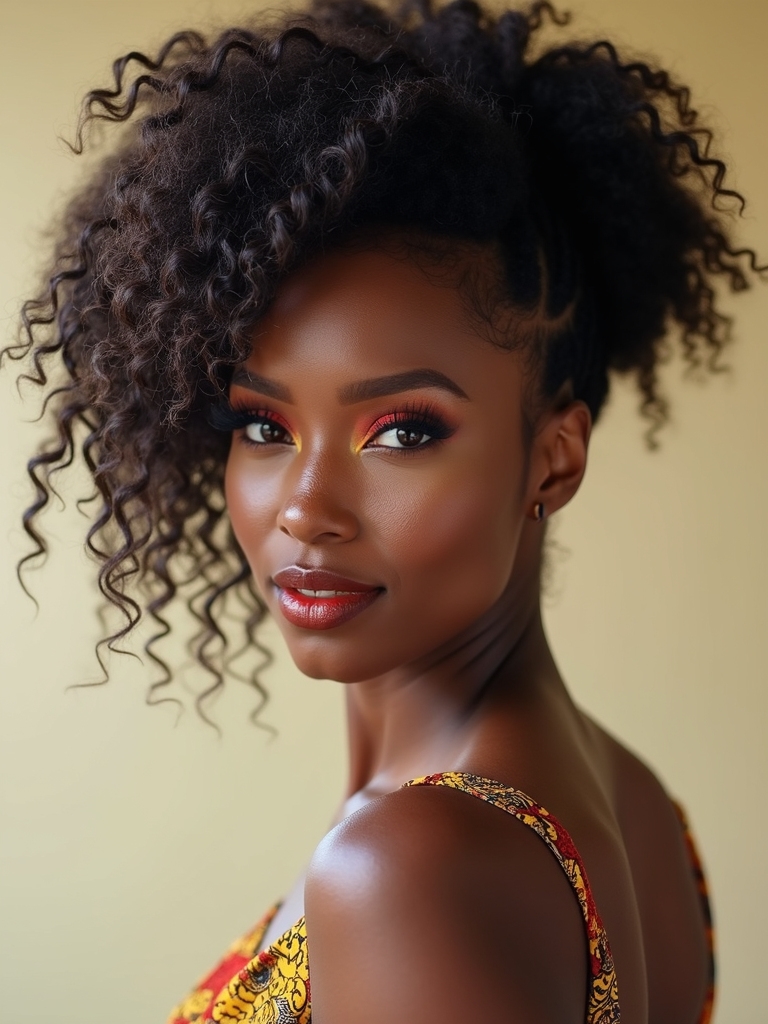
Across East Africa and the Horn, bridal hair leans toward fine braiding close to the scalp that fans into soft volume, alongside threaded styles and henna traditions on the Swahili coast. In parts of Ethiopia and Eritrea, the shuruba style braids the hair tightly from the front before releasing it into a full, curly halo at the back.
These looks balance precision and softness, which photographs beautifully against a veil or a draped wrap. Brides often add delicate gold chains along the hairline or small jeweled pins that catch the light during the ceremony.
If your heritage is East African, this is a chance to ask older relatives what they wore and why. Many brides build their look around a single detail passed down in the family, which makes the whole style feel deeply personal.
Not sure which direction suits you? Start here.
1You want a clean, face-framing look under a veil
A braided crown or feed-in cornrows curved into a crown keep the hairline soft and the face open.
2You want maximum drama and color
A tall, sculpted gele in rich fabric is a showpiece on its own, finished with statement earrings.
3You want your natural curls or locs to lead
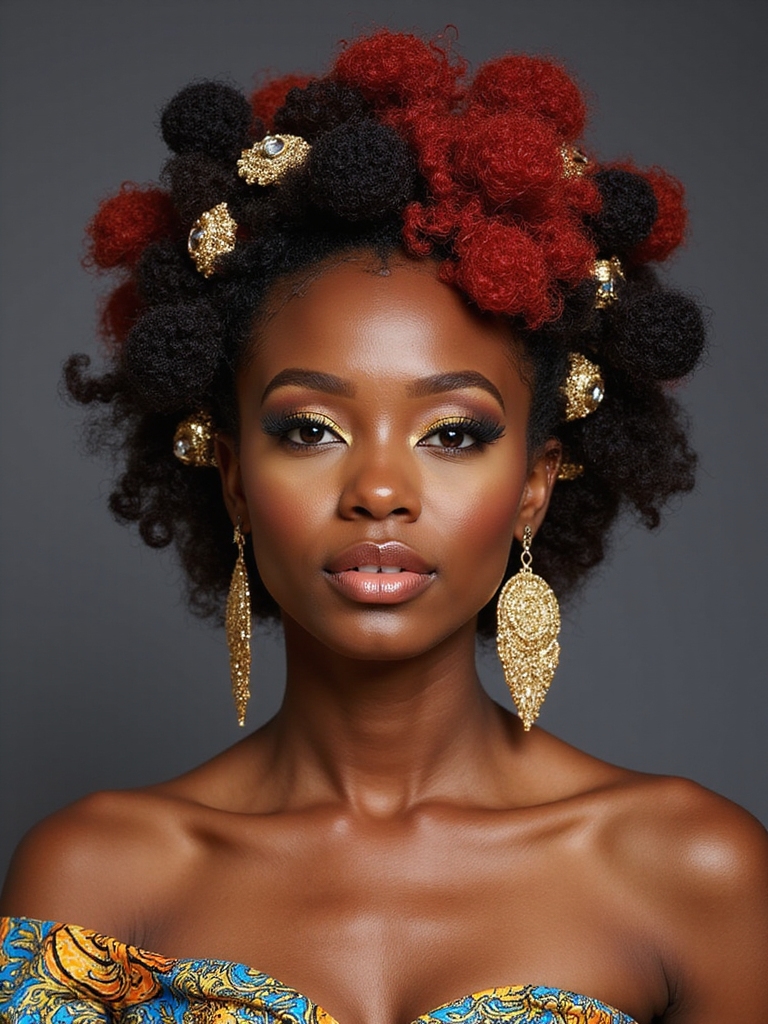
Bantu knots, a loc updo, or a curly halo celebrate your texture with only gold or florals added.
Braided Crowns and What They Symbolize
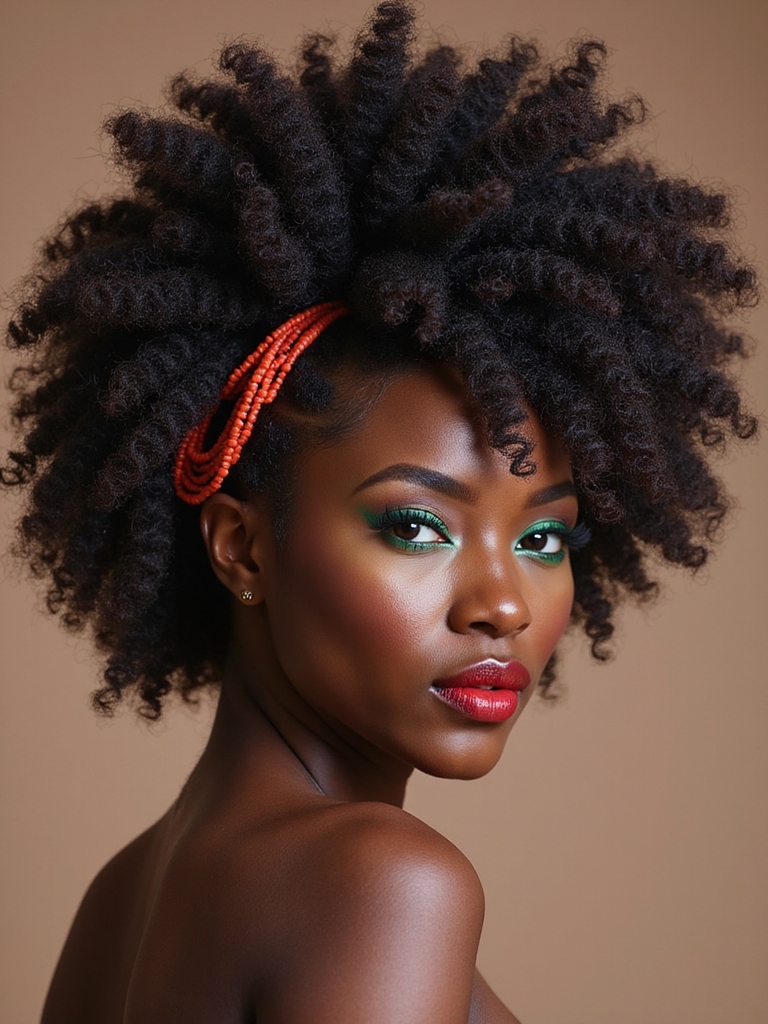
A braided crown that wraps the head like a halo is among the most recognizable and meaningful African bridal looks. Beyond its beauty, a crown braid has long carried associations with dignity, maturity, and a bride stepping into a new chapter with her community around her.
Comfort and edge health come first
Because it frames the face cleanly, it suits a veil, a headpiece, or fresh flowers, and it holds up through a long day of dancing. The braids can be fine and flat or thick and raised, depending on your hair and the mood you want.
What specialist stylists stress most is tension. A crown braid should feel secure but comfortable, since braids that pull too tightly at the hairline can damage the delicate edges over time.
Bridal Braids and Cornrows
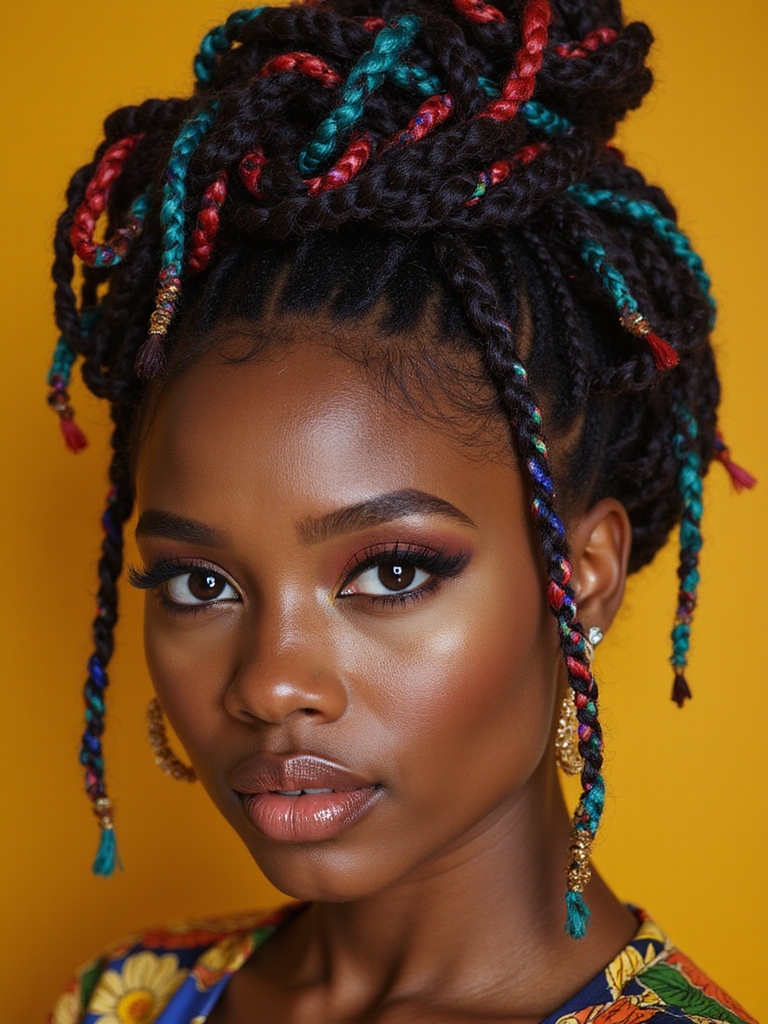
Cornrows and braids are the foundation of so much African bridal styling, and in skilled hands they become genuine art, swept into patterns, curves, and crowns that no other technique can match. They are also deeply practical, keeping the hair secure and looking fresh from the ceremony to the last dance.
The styling possibilities are nearly endless, so it helps to bring reference photos and talk through the pattern with your braider before the day. For more ideas in this vein, these braided wedding hairstyles show how far the technique can go.
- Feed-in cornrows add length and fullness while keeping the hairline soft and natural
- Tuck cowrie shells, beads, or gold cuffs into the braids for traditional detail
- Curve the cornrows into a bun, a crown, or a cascading tail to suit your dress
The most beautiful bridal hair is not the most complicated. It is the style a bride understands and wears with pride.
Headwraps for the Modern Bride
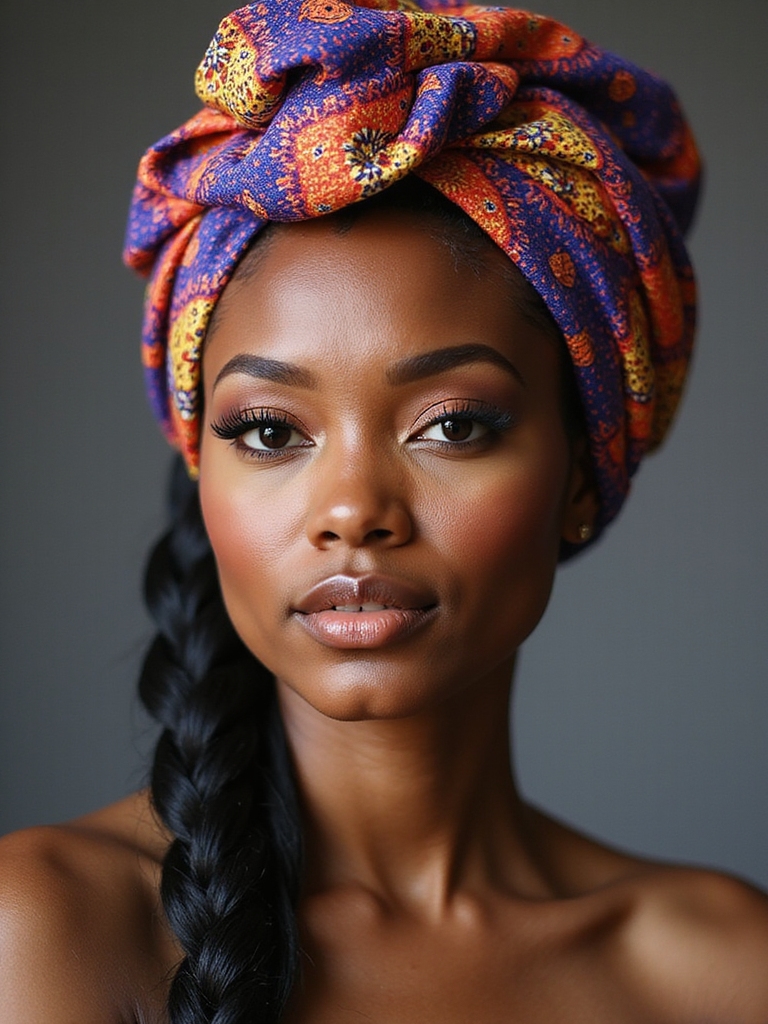
A sculpted headwrap is a showstopping bridal choice in its own right, most famously the Nigerian gele, tied tall and structured in rich fabric. The dhuku or doek across Southern Africa and head ties throughout the diaspora carry the same sense of elegance and pride. Here is how brides wear one well:
- Choose a stiff fabric like aso-oke or damask so the gele holds its sculpted shape
- Have it tied by someone experienced, since the folds and height take real practice
- Coordinate the colors with your outfit and let statement earrings finish the look
- Keep the rest simple, as a tall, structured wrap is meant to be the focal point
Fulani Braids With Beads and Cowries
Fulani braids are a striking bridal option drawn from the Fula people across the Sahel, recognizable by a braid running down the center of the head with cornrows angled along the sides, often decorated with beads and cowrie shells.
For a wedding, the style turns naturally elegant when you swap playful beads for gold rings, pearls, or a single jeweled cuff at the hairline. The central part and clean lines flatter most face shapes and frame the brow beautifully under a veil.
Cowrie shells carry their own history as a symbol of prosperity and femininity in many West African cultures, which gives them real meaning beyond decoration. Choose just a few, and the look stays refined.
Bantu Knots as a Bridal Crown
For a bride who wants something modern and unmistakably hers, Bantu knots make a bold, sculptural statement. These coiled, sectioned knots, with roots in Southern and Central African cultures, read almost like a crown when arranged evenly across the head.
They work beautifully on tightly coiled and kinky textures and can be dressed up with gold thread wrapped around each knot or small jeweled pins between them. If you prefer soft waves for the reception, the knots double as a set, since unraveling them later leaves defined, springy curls. Either way, a leave-in and a light oil keep the knots smooth and shining for photos.
Gold Thread and Hair Adornments
Adornment is where African bridal hair becomes truly personal, and hair jewelry has a long heritage across the continent, from threaded gold to coral, cowrie, and beadwork. The pieces you choose are a quiet way to carry meaning into the day.
- Wrap sections of braid or twist in gold or copper thread for a regal shine
- Add coral beads, a nod to Edo and Yoruba bridal tradition, for deep color
- Place a few cowrie shells or a hairline chain rather than covering the whole style
Locs Styled for the Aisle
There is no need to cover or apologize for locs on a wedding day, because they are fully bridal exactly as they are. Whether you wear mature locs or starter locs, they can be pinned into an updo, gathered up, or left long and adorned, and they hold a style for hours without fuss.
Dress them with gold cuffs, fresh flowers tucked between the locs, or a delicate vine along the crown. For an updo, have a loc specialist set it so the weight sits comfortably and the shape lasts. A light refresh of the roots a few days ahead keeps everything neat without looking too new.
Caring for Your Hair Before the Day
Whatever look you choose, the weeks before the wedding are when textured hair preparation pays off, especially around the delicate edges and the moisture your style needs to look its best.
The goal is healthy, hydrated hair that takes the style cleanly and lasts, so a little planning goes a long way.
- Deep condition regularly in the lead-up so braids and twists look glossy, not dry
- Ask for low-tension styling to protect your edges, and speak up if anything pulls
- Sleep on satin and wrap the style at night to keep it fresh between the trial and the day
Honoring Heritage the Right Way
For a bride of African heritage, these styles are a homecoming, a way to carry her family and culture down the aisle. The most moving versions come from brides who learn the meaning behind a style and choose it on purpose, often with an older relative involved in the planning.
If your own background is different but you have been invited into a tradition, through a partner’s family, for instance, the respectful path is to learn, credit, and let people from that culture lead the choices. A specialist braider or family elder is the right guide, not a generic salon.
The line is simple and worth holding: heritage hair is meaningful, not a costume. Worn with knowledge and care, it becomes among the most personal threads of the whole celebration.
Choosing the Look That Fits You
With so many traditions to draw on, the easiest way to choose is to start from your own hair, your heritage, and the mood of your wedding, then narrow down from there. Every texture has options that need no altering to look bridal.
Start with your hair and your story
Think about your dress and venue too. A tall gele commands a formal celebration; soft Fulani braids or a loc crown suit a garden or beach setting; a sculpted threaded style shines in close-up photography. If you are still gathering options, these bun wedding hairstyles adapt easily to braids and locs.
Most of all, give yourself time. An experienced braider for an intricate style can run anywhere from $150 to $400 and several hours in the chair, so book early, do a trial, and treat the appointment as part of the joy itself.
African Bridal Hair Questions
?How long do African bridal hairstyles take to do
Intricate braiding, threading, and gele tying are slow, skilled work, often three to six hours or more for an elaborate style. Book a specialist braider well ahead, schedule a trial, and plan a relaxed timeline on the day so nothing is rushed.
?Do I have to straighten my natural hair for my wedding
Not at all. Coils, kinks, braids, and locs are fully bridal as they are. The most striking African bridal looks celebrate natural texture rather than hiding it, so build your style around your real hair rather than altering it.
?Can I wear these styles if they are not part of my own culture
Approach with respect and guidance. If you are invited into a tradition through family or a partner, learn the meaning, credit its origins, and let people from that culture lead the choices. A specialist stylist or family elder is the right person to guide a look that honors rather than borrows.
Your Heritage, Worn With Pride
African bridal hair is not one look but a whole world of them, spanning regions, techniques, and generations of artistry, and united by the idea that a bride’s natural hair is something to celebrate rather than change.
Choose the tradition that speaks to your family and your texture, work with someone who truly knows it, and give the style the time it deserves. For more texture-specific ideas, these wedding hairstyles for curly hair and coily wedding hairstyles carry the same spirit. Worn with knowledge and joy, your hair becomes one of the most personal parts of the day.